
First Heavy Rains of 2026 Disrupt Schools and Communities
By: Zyrene Nicole Panlaan
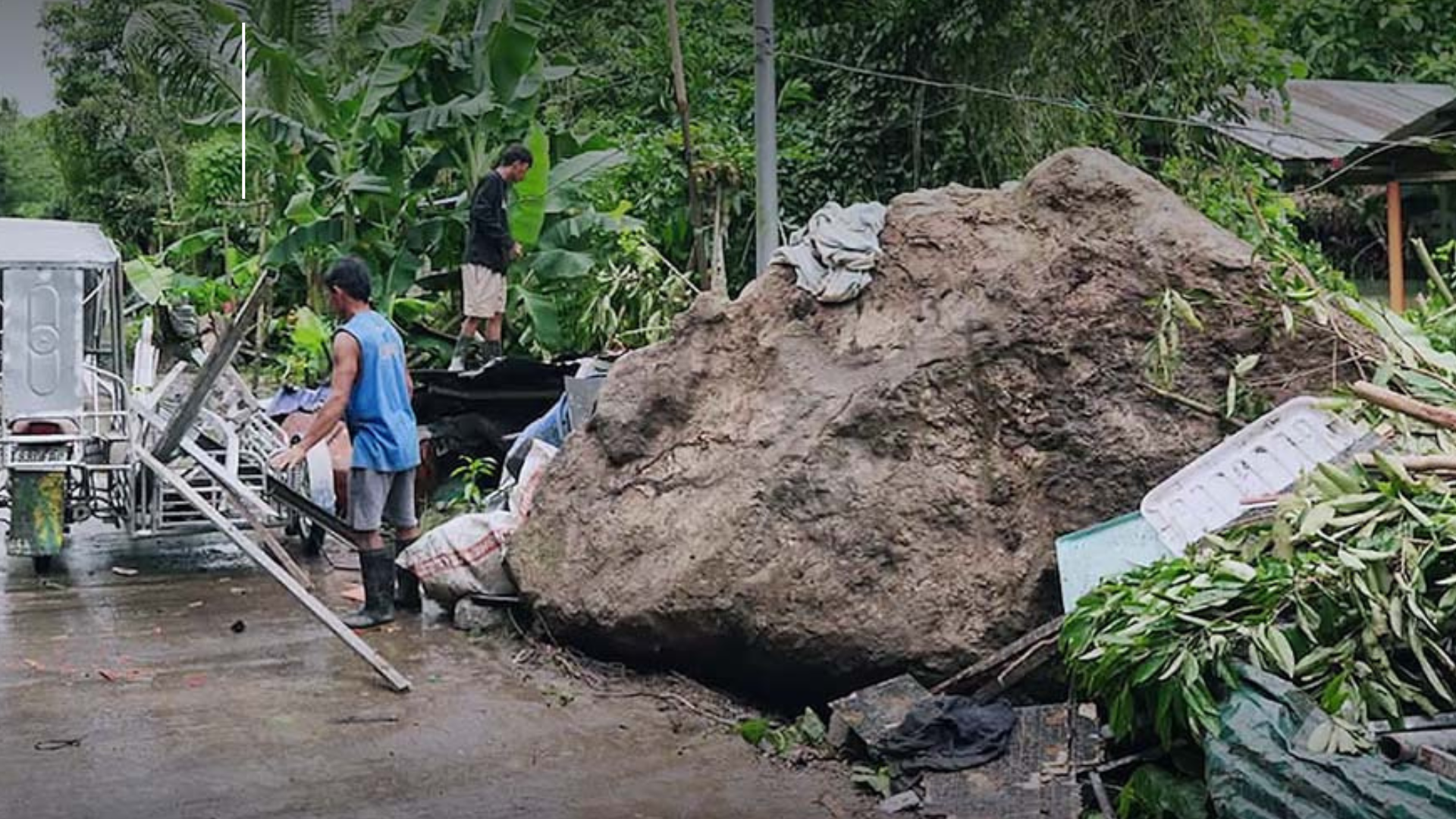
Heavy rains hit parts of the Philippines on Monday, January 15, affecting schools, transportation, and daily routines. Philippine Atmospheric, Geophysical and Astronomical Services Administration (PAGASA) said the rain was caused by a low-pressure area combined with the northeast monsoon. Flooded streets and traffic jams forced local officials to suspend classes in several low-lying areas.
Several public schools reported water entering classrooms and school grounds. Some students had to stay home or switch to online learning for the day. Commuting was difficult, as many roads in Metro Manila and nearby provinces were flooded.
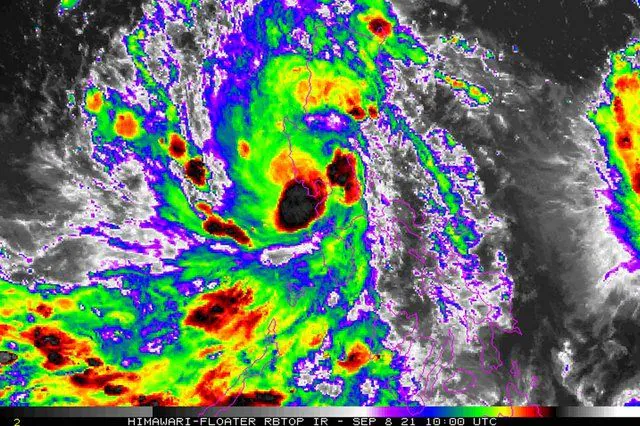
Local disaster offices were on standby to monitor communities and help residents. Barangay officials conducted clearing operations to prevent blocked drainage from worsening the flooding. Minor property damage was reported, but no serious injuries were confirmed.
Residents were advised to stay alert and follow official weather updates. Authorities reminded the public to prepare emergency kits and avoid unnecessary travel. Schools also urged students and staff to prioritize safety during the heavy downpours.
PAGASA warned that more rain could arrive in the coming days and advised people living near rivers and coastal areas to take extra precautions. Local governments said they are ready to respond quickly if the situation worsens.
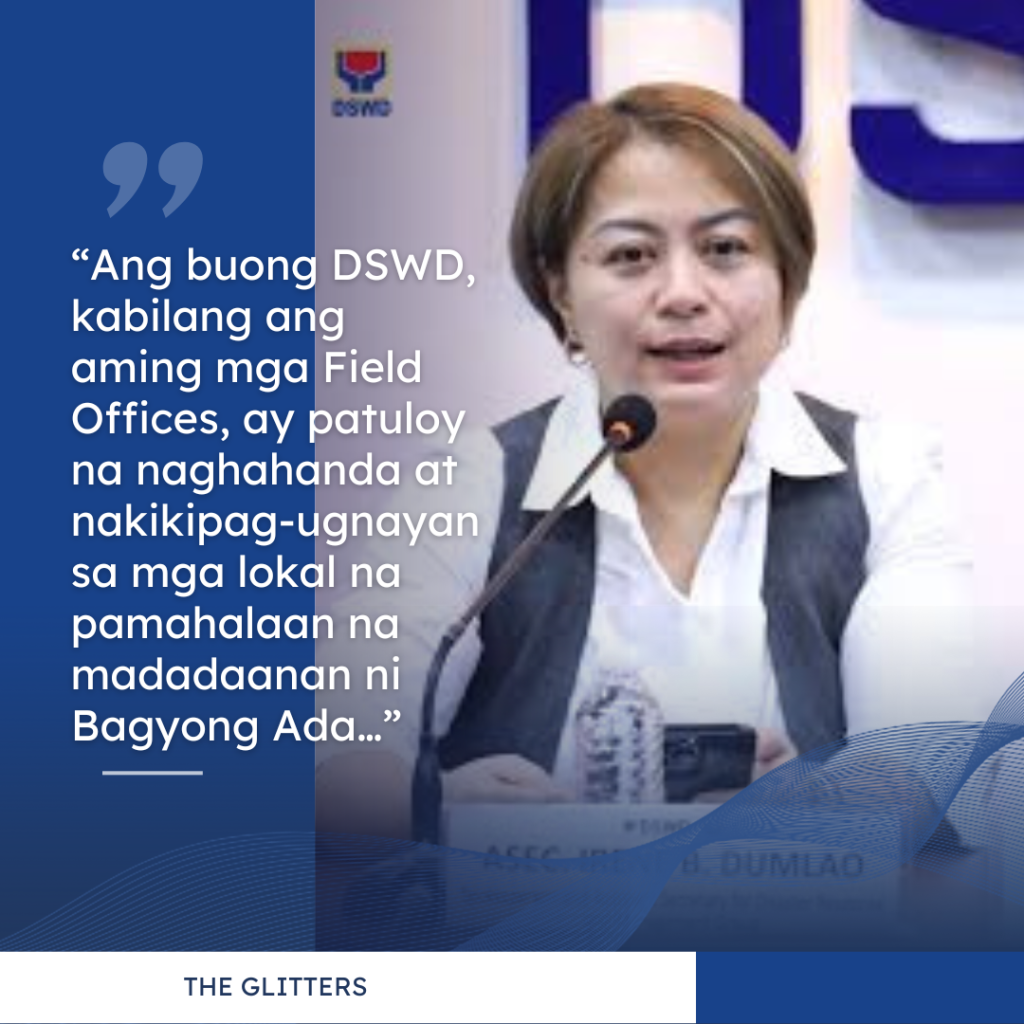
👉 Press briefing video about Tropical Storm ADA from the Philippine weather agency (PAGASA):
📺 https://www.youtube.com/watch?v=XRcn-h3o55g
CDRRMO Urges Preparedness at DSPC Amid Natural Disasters
By: Zyrene Nicole Panlaan
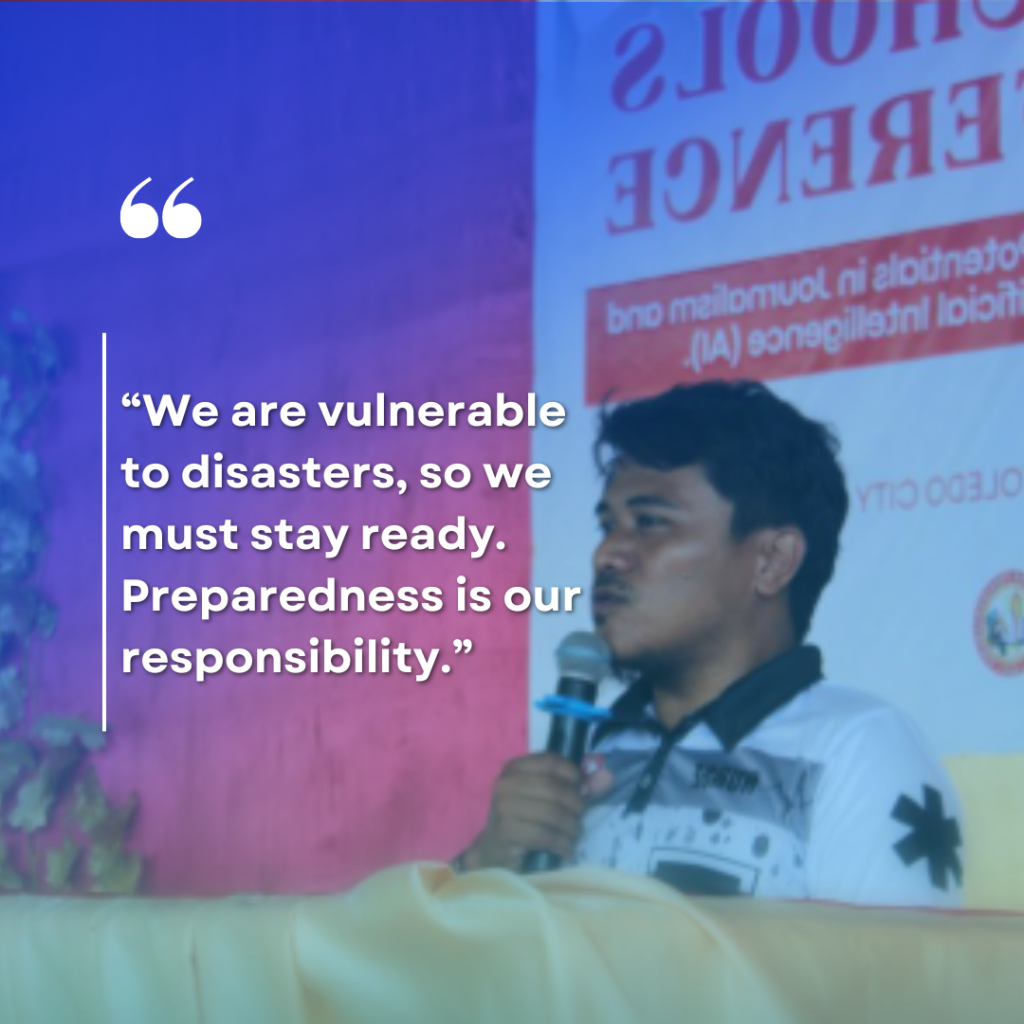
The Division Schools Press Conference (DSPC) on Saturday, November 21, 2025, at TNVS featured an important discussion on disaster preparedness as a guest speaker from the City Disaster Risk Reduction and Management Office (CDRRMO) addressed student journalists.
The CDRRMO official discussed the importance of being ready for earthquakes, aftershocks, and recent typhoons, including Tino and Uwan. He emphasized that communities must work together and support one another during emergencies to minimize risks and ensure safety.
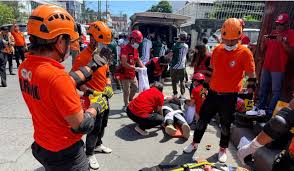
During his talk, the CDRRMO representative shared practical safety tips for students and schools, such as knowing evacuation procedures, preparing emergency kits, and staying informed through official weather updates. He highlighted that awareness and preparedness can significantly reduce harm during natural disasters.
Student journalists actively participated in a question-and-answer session, where they asked about disaster response protocols and how young people can contribute to community safety. The CDRRMO stressed that even students have a role in helping their families and neighborhoods prepare for emergencies.
The speaker also highlighted recent experiences in the Philippines, noting that the country’s vulnerability to typhoons and earthquakes makes proactive preparation essential. He encouraged students to stay vigilant, share knowledge with peers, and support disaster response initiatives in their schools.
He concluded by urging everyone to foster a culture of preparedness and cooperation, reminding participants that helping one another during calamities is a responsibility that strengthens the community as a whole.
The DSPC provided an interactive platform for student journalists to learn firsthand about disaster risk reduction and safety measures, reinforcing the importance of awareness and proactive action in safeguarding lives.