

THE STORM HAS PASSED—But Has Our Campus Prepared for the Next?
By: Nyah Princess E. Albarracin
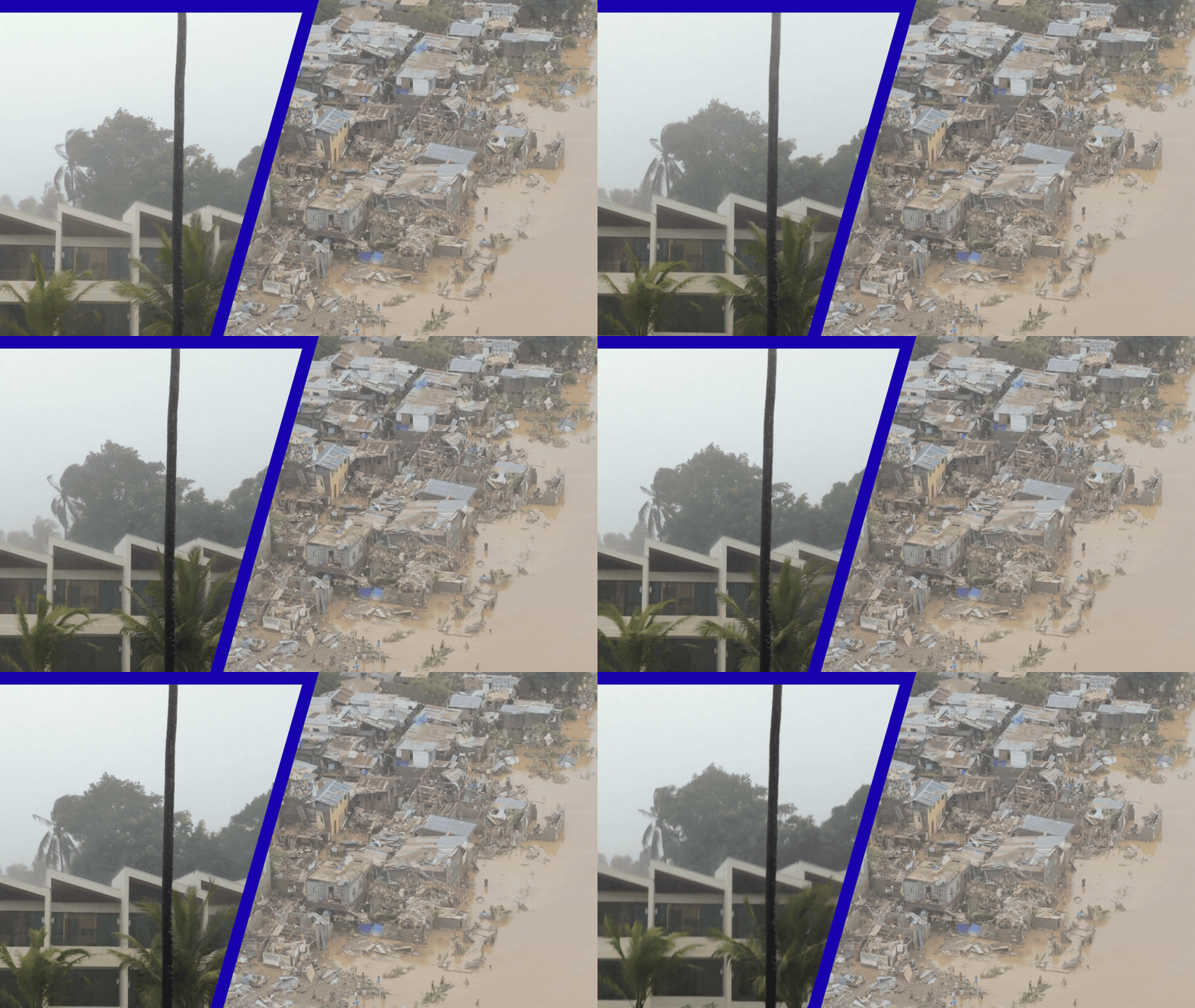
The recent typhoon may have already moved on, but the deeply unsettling questions it left behind continue to echo across our campus. Damaged classrooms, poorly organized evacuation procedures, and painfully delayed communication revealed serious weaknesses that we can no longer ignore. If the safety of students and staff truly matters, then our school must urgently strengthen its disaster-preparedness systems to ensure full readiness before another storm arrives.
During the last typhoon, the campus suffered noticeably damaged facilities—classrooms flooded, roofs shaken, and electrical lines compromised. Many students were confused about where to go or what to do, highlighting the lack of clear, practiced evacuation plans. Teachers also struggled to contact students and parents because announcements came late and inconsistently. These issues prove that our current disaster-preparedness efforts are insufficient and require immediate improvement.
To address these challenges, the Department of Education (DepEd) created the Disaster Risk Reduction and Management Service (DRRMS), which is meant to coordinate safety procedures and promote quality education even during emergencies. This program aims to keep every learner and staff member safe, informed, and properly guided. However, despite these guidelines, many schools—including ours—still struggle to fully implement strong, consistent, and reliable disaster-management strategies.
Disaster preparedness plays an extremely crucial role in protecting lives. When students and staff are well-educated about safety procedures, they can confidently respond to emergencies instead of panicking. They learn how to stay calm act quickly and avoid dangerous situations. A knowledgeable and well-trained school community is far less vulnerable, yet the lack of regular drills and proper briefings shows that we still have much to improve.
Some may argue that the school is already doing its best, pointing to occasional drills and random announcements as signs of preparedness. They might say that disasters are unpredictable and that no school can ever be perfectly ready. While there is truth in that, occasional efforts are not enough. Preparedness must be continuous, organized, consistent, and fully aligned with DRRMS standards—because even one mistake during a disaster can cost lives.
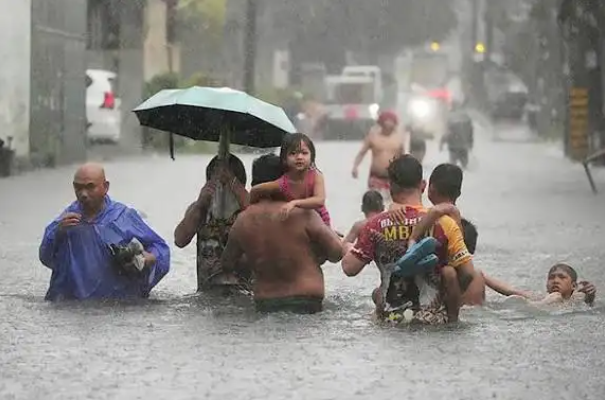
The storm may have passed, but the lesson it taught us must not be forgotten. If we want a safer, stronger, and more resilient school community, we must take disaster preparedness seriously. Our school must enhance its safety plans, improve communication, and train everyone more thoroughly before another storm strikes. Only through genuine commitment and responsible action can we truly protect our students, teachers, and the entire campus.
“Yes, I am prepared for the upcoming typhoon. After the recent storm, I made sure to prepare an emergency kit with food, water, flashlights, and important documents. I also regularly check weather updates from Philippine Atmospheric, Geophysical and Astronomical Services Administration to stay informed. Being prepared helps me stay calm and ready for any situation.”
SINKING IN CORRUPTION—A Call to Strengthen Flood-Control in The Philippines
By: Nyah Princess E. Albarracin


Flooding remains one of the most persistent and devastating problems in the Philippines. Every year, heavy rains and typhoons bring tremendous destruction—damaging infrastructure, wiping out homes, and claiming lives. Victims continue to hope for assistance as they struggle to rebuild what disasters have taken from them. But the question is: how can people recover from these occurrences, and how should government respond to such situations? This reality proves the urgent need to strengthen flood-control measures and eliminate corruption that hinders genuine disaster preparedness.
The impact of typhoon Tino on November 3, 2025, highlights the nation’s vulnerability. The storm heavily struck the Visayas, especially Cebu, forcing residents to prepare supplies and evacuate coastal areas. Despite warnings, some underestimated the threat. When winds reached 175 km/h and rainfall intensified, communities were caught off guard. People climbed onto their rooftops to escape the rising waters, witnessing infrastructure collapse and lives lost. Events like this shows that flood-control systems and disaster-preparedness programs remain insufficient and poorly implemented.
This tragedy also revived long-standing questions: Where do calamity funds go? The Php 185 billion intended for flood-control projects have turned into ghost project, unfinished structures, or completely abandoned plans. These failed projects could have protected families, farmlands, and livelihoods. Instead, they stand as proof of corruption and mismanagement. Government negligence not only wastes public funds but also endangers millions of Filipinos who rely on these structures for safety.
Meanwhile, many politicians continue to live comfortably, enjoying privileges and luxuries while their constituents endure destroyed homes and uncertain futures. Filipinos hope for compassion, leadership, and immediate action—yet what they often receive are empty promises. Leaders may appear kind in public, but many hide greed and selfishness that hinder progress. This repeated cycle shows that corruption is not only a financial issue but a moral failure that prevents the country from building effective flood-control systems.
Some argue that the government is doing its best and that natural disasters are simply unavoidable. They claim that numerous flood-control projects are already underway and that people should understand the challenges of implementing large-scale infrastructure. While it is true that disasters are part of the Philippine climate, and some projects do exist, these efforts mean little when corruption, delays, and lack of transparency continue to undermine their effectiveness.
Now is the time to speak out, unite, and demand real accountability. The Philippines cannot progress if corruption continues to sink us deeper into disaster and poverty. To protect lives and build a resilient future, we must strengthen flood-control systems and ensure that funds are handled with transparency and integrity. Only through honest leadership and collective action can we create a safer, flood-resilient nation for all Filipinos.

“Corruption is a serious problem in the Philippines. It affects many sectors, especially public services and infrastructure. When funds are misused, projects meant to help people—like flood-control systems, roads, or health services—become weak or unfinished.
Because of corruption, many Filipinos suffer, especially during disasters. I believe the country can progress more if there is stronger transparency, accountability, and honest leadership.”